Gemmotherapy and Bud Extracts: What Science Says and What It Does Not
10 July 2026 · By Heal Mauritius
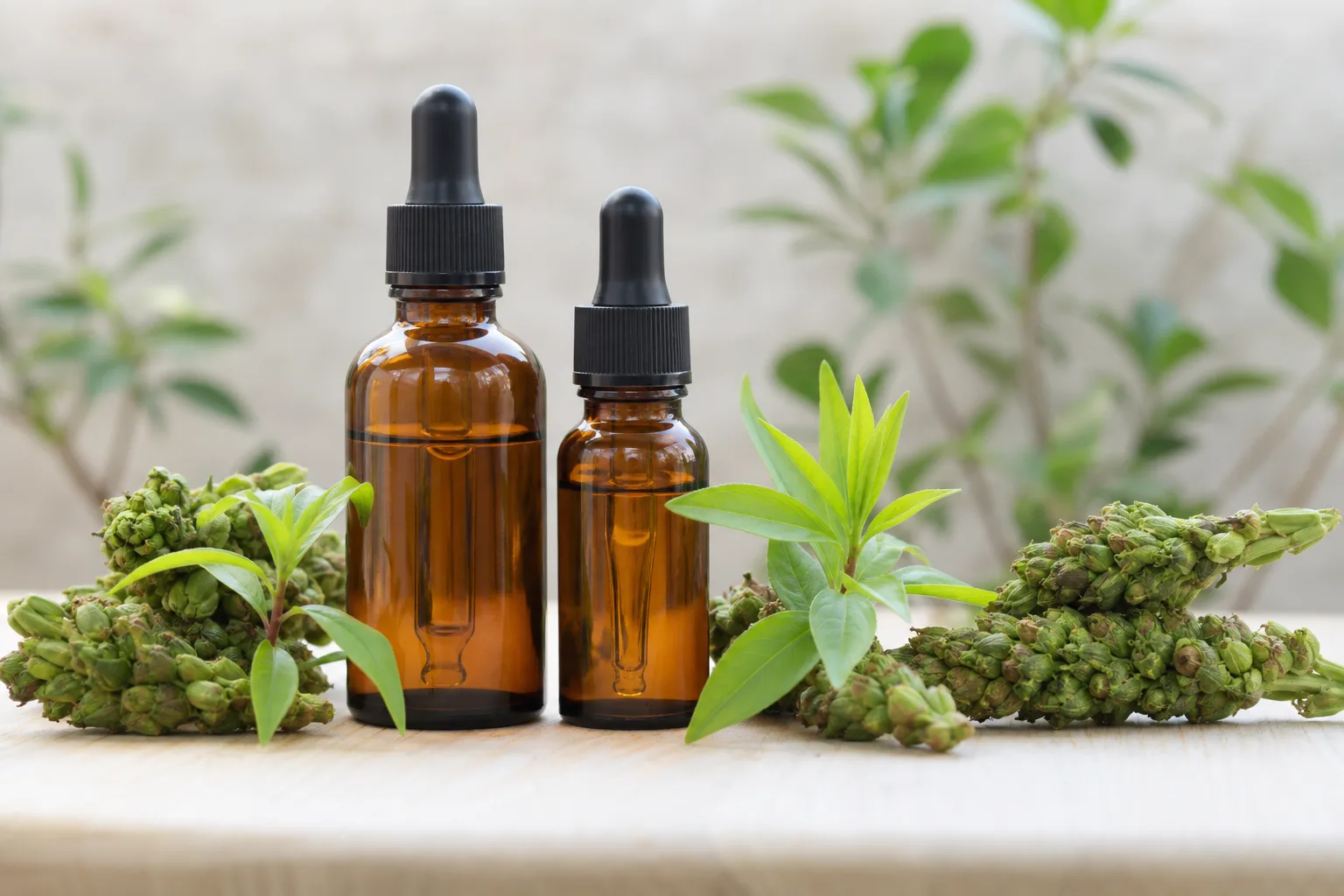
Walk through any well stocked natural health store in Europe and you will find a shelf of small amber dropper bottles labelled with tree names: blackcurrant, fig, hawthorn, birch. This is gemmotherapy, a branch of herbal practice built on extracts of buds and young shoots rather than leaves, roots, or flowers. Interest in these extracts is now reaching Mauritius, so it is worth understanding what they actually are, what the research does and does not show, and how to choose a well made product if you decide to try one.
A quick note before we begin: this article is general information, not medical advice. If you are recovering from illness or surgery, or you take any medication, speak with your doctor or pharmacist before adding any supplement to your routine.
What Gemmotherapy Actually Is
Gemmotherapy uses the embryonic tissue of plants: the buds, young shoots, and sometimes rootlets gathered in spring, at the moment the plant puts all its energy into growth. The idea behind the practice is that this young tissue is unusually rich in the plant's growth compounds, plant hormones, amino acids, and minerals, in a profile not found in the mature plant.
The approach was formalised in Belgium in the mid twentieth century by the physician Pol Henry, who called it phytoembryotherapy. It was later renamed gemmotherapy, from gemma, the Latin word for bud. From those Belgian roots the practice spread through France, Italy, and much of Europe, where bud extracts are now a familiar part of the herbal tradition, sold in pharmacies and natural health stores alongside better known botanicals.
How Bud Extracts Are Made
The classic method is a slow maceration. Fresh buds are harvested by hand in spring, then steeped for several weeks in a mixture of water, alcohol, and vegetable glycerine. Each of the three solvents draws out a different family of compounds, which is why this particular blend became the standard. The liquid is then filtered and bottled, usually with a dropper, and taken in small amounts diluted in a little water.
Two styles exist on the market. The older pharmacopoeia method dilutes the mother macerate before sale. The concentrated method, pioneered commercially by Herbalgem, the Belgian gemmotherapy specialist founded in 1986, skips the dilution and sells the macerate at full strength, so a serving is a few drops rather than a teaspoon. Herbalgem built its reputation on this concentrated approach, on wild harvested or organically grown buds, and on certified organic production, which is one reason the brand is often treated as the reference point for the whole category.
The Tradition and the Evidence, Stated Honestly
Here is where an honest article has to slow down. Gemmotherapy has a genuine tradition behind it: decades of use in Belgium and France, a body of practitioner experience, and laboratory work showing that bud tissue contains a distinctive mix of compounds. Analytical research suggests that extracts made from buds differ chemically from extracts made from the mature parts of the same plant, which at least supports the founding idea that young tissue is not simply a weaker version of the adult plant.
What gemmotherapy does not yet have is a strong base of large, well controlled human trials. Most of the published work consists of laboratory studies, animal research, small observational reports, and records of traditional use. That does not prove the extracts do nothing. It means that claims about specific health outcomes rest mainly on tradition and early stage research rather than on the kind of evidence that supports a registered medicine.
So when a label or a website tells you a bud extract will treat a named condition, treat that claim with caution. Reputable European producers generally describe their extracts in terms of traditional use and general wellbeing, and that restraint is a good sign, not a weakness. It usually marks the companies that take both the plants and the science seriously.
Safety Basics and Who Should Be Cautious
Bud extracts are commonly reported to be gentle when used as directed, and serious problems appear to be rare. They are still concentrated plant preparations, though, and a few groups should take extra care:
- Pregnant and breastfeeding women, because safety data in these groups is limited
- Young children, unless a qualified practitioner has specifically recommended a child suitable product
- Anyone taking prescription medication, since plant compounds can interact with medicines
- People who avoid alcohol or who have liver conditions, as most macerates contain alcohol
- Anyone with a known allergy to the source plant
To repeat the note from the top: this is general information, not medical advice. A short conversation with your doctor or pharmacist costs nothing and settles the question for your own situation, especially if you are in a fragile period of recovery.
Choosing a Quality Extract
Because gemmotherapy is a niche category, quality varies more than it does for mainstream vitamins. A few practical markers help. Look for certified organic status, since buds are macerated whole and any residue on them is carried into the finished extract. Look for fresh bud maceration rather than extracts made from dried material, because the tradition and most of the analytical work concern fresh tissue. Look for clear labelling of the plant's Latin name, the harvest origin, and the alcohol content. And prefer brands that publish their sourcing and avoid dramatic medical promises.
In Mauritius these products have historically been hard to find, which is finally changing. Naturespan, the island's new certified organic grocery destination, carries Herbalgem within a wider range of certified organic supplements, with stores opening in Grand Baie and Tamarin from September 1 2026 and a food truck already on the road. For readers who would rather compare labels in person than order blind from overseas, that makes careful shopping much easier.
A Sensible Place for Bud Extracts
Where does this leave a careful reader? Gemmotherapy sits in the same family as many traditional herbal practices: long on history and practitioner experience, shorter on large clinical trials. If you approach it as a gentle, traditional support for general wellbeing, chosen from a certified organic producer and used alongside proper medical care rather than instead of it, you are using it the way its most reputable makers intend.
If you are recovering from illness or surgery, the fundamentals still come first: sleep, steady nutrition, gentle movement, and time. No dropper bottle replaces those. But for anyone curious about Europe's bud extract tradition, gemmotherapy is a fascinating corner of herbal practice, and one that is becoming easier to explore from home in Mauritius.
Healing well is part of a longer, healthier life. Explore the wider Healthspan health ecosystem.
